China Top Radiator Corrosion Resistance Insights and Solutions?
Radiator Corrosion Resistance is a crucial aspect of longevity and performance in automotive radiators. In China, the demand for durable and efficient cooling systems is increasing, making corrosion resistance a priority. Radiators face numerous challenges, including exposure to harsh environments and chemicals. These factors can significantly affect their lifespan.
Understanding the intricacies of Radiator Corrosion Resistance is essential for manufacturers and consumers alike. The right materials and coatings can enhance durability, but the choice isn't always straightforward. Common solutions may not address all corrosion issues effectively. Through careful analysis and innovative approaches, it is possible to improve radiator performance and extend operational life.
While many manufacturers strive to offer the best products, the industry often grapples with inconsistencies in quality. Exploring the latest advancements and insights can shed light on effective strategies. Emphasizing expertise and reliability in this field will ultimately lead to better choices for stakeholders and consumers. In an ever-evolving market, staying informed is vital for making sound decisions.
Understanding Radiator Corrosion and Its Impact on Performance
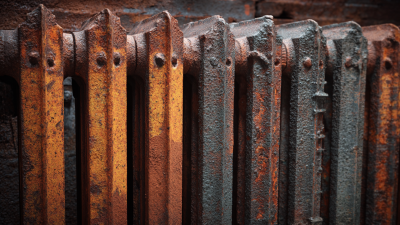
Radiator corrosion is a pervasive issue that significantly affects vehicle performance. Research indicates that nearly 30% of all automotive cooling system failures are due to corrosion-related problems. When radiators corrode, coolant flow decreases, causing engine overheating. This not only impacts engine efficiency but can also lead to severe engine damage.
Common contributors to radiator corrosion include contaminants in the coolant and improper maintenance practices. For example, a 2022 industry report noted that improper coolant pH levels can accelerate corrosion rates by up to 50%. Additionally, the presence of electrolysis is often overlooked; this electrical phenomenon can occur due to dissimilar metals in the cooling system, leading to premature wear and failure.
Effective solutions exist to mitigate corrosion. Employing high-quality coolant with corrosion inhibitors is essential. Regular inspections can help identify early signs of corrosion. However, many vehicle owners neglect this, leading to costly repairs. While advancements have been made in radiator materials, constant vigilance is necessary. Understanding and addressing corrosion in radiators can enhance vehicle longevity and performance.
Key Factors Influencing Radiator Corrosion Resistance in China
Corrosion resistance is crucial for radiators in China. The harsh environmental conditions can significantly accelerate corrosion. According to a recent industry report, nearly 30% of radiators fail prematurely due to such degradation. Factors like water quality and temperature fluctuations play vital roles.
The use of high-quality materials is essential. Steel and aluminum are commonly used, but they react differently in diverse conditions. The presence of salts and minerals in water can exacerbate the corrosion process, leading to leaks and system failures. This is particularly alarming for home and industrial heating systems.
Protective coatings can enhance longevity. However, many manufacturers overlook the importance of these coatings. Regular maintenance is often neglected, allowing corrosion to go unchecked. Even with advancements, companies must be vigilant about changing conditions and material performance. Understanding these factors is key to improving radiator lifespan and efficiency.
China Top Radiator Corrosion Resistance Insights and Solutions
| Key Factor |
Impact Level |
Solution |
Application Areas |
| Material Quality |
High |
Use high-grade aluminum or stainless steel |
Automotive, HVAC |
| Corrosive Environment |
Medium |
Implement protective coatings |
Industrial Applications |
| pH Levels |
Medium |
Regular maintenance of coolant |
Automotive, Heating Systems |
| Temperature Variance |
High |
Optimize cooling system design |
HVAC, Engine Cooling |
| Electrolytic Corrosion |
High |
Use anodes to prevent corrosion |
Marine Applications, Automotive |
Innovative Materials and Coatings for Enhanced Corrosion Protection
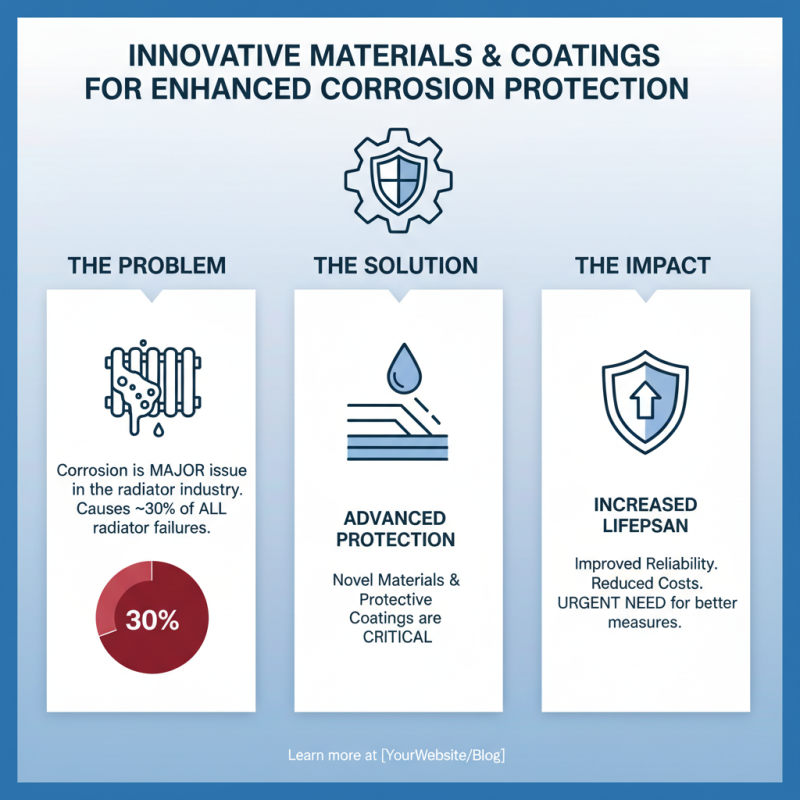
Corrosion resistance is critical in the radiator industry. Innovative materials and coatings play a key role in combating this issue. Recent studies indicate that about 30% of radiator failures are due to corrosion. This demonstrates the urgent need for enhanced protective measures.
Advanced coatings, such as epoxy and polyurethane, show promise in extending service life. A 2022 report noted that these coatings can increase corrosion resistance by up to 50%. Also, the adoption of nanomaterials is gaining traction. These materials provide a barrier that significantly reduces corrosion rates.
However, challenges remain. Some coatings may not adhere well under certain conditions, leading to early failures. The industry must address these issues while exploring new solutions. Continued innovation is essential to meet the evolving demands for corrosion protection.
Best Practices for Radiator Maintenance to Prevent Corrosion
Radiator maintenance is crucial in extending the lifespan of your vehicle. Corrosion can lead to leaks and overheating. Regular checks help detect early signs, such as discoloration of coolant or rust spots. Monitoring the coolant level is also essential. A low level might indicate leaks or evaporation, leading to corrosion over time.
Using the right coolant mixture matters significantly. A mixture of water and antifreeze balances temperature control and prevents corrosion. However, improper ratios can cause more harm than good. Flushing the radiator every couple of years removes built-up debris and contaminants. This step is often overlooked but can save you from costly repairs.
Pay attention to the radiator's external condition. Accumulated dirt and road grime can accelerate corrosion. Cleaning the exterior with a gentle solution removes harmful deposits. Additionally, inspect hoses and connections for signs of wear. Detecting these issues early can prevent more severe damage. Regular maintenance is not just a routine; it's a necessary practice to ensure reliability on the road.
Future Trends in Radiator Manufacturing and Corrosion Resistance Solutions
The future of radiator manufacturing is significantly influenced by advancements in corrosion resistance solutions. Industry reports indicate that the global radiator market is expected to grow by 5% annually, fueled by the increasing demand for durable and efficient products. As stricter environmental regulations come into play, manufacturers must innovate and adopt new materials to enhance longevity and reduce maintenance costs.
Emerging trends highlight the use of coatings and alloys that provide superior resistance to corrosion. For instance, zinc-aluminum alloys are gaining traction due to their effectiveness in combating oxidation. Furthermore, eco-friendly coatings are becoming more prevalent, aligning with sustainable practices in the automotive sector.
**Tips:** Regular maintenance is crucial. Ensure that your radiators are inspected frequently to prevent corrosion. Consider investing in protective barriers or treatments. An ounce of prevention goes a long way. Remember, understanding the limitations of current materials can drive better choices in future radiator designs.
China Radiator Corrosion Resistance Trends (2023)