China Top Air Cooled Oil Cooler Benefits and Applications Explained
The effectiveness of the Air Cooled Oil Cooler is gaining attention in various industries. Renowned expert Dr. Alex Cheng, an authority in thermal management technologies, states, "Optimizing heat dissipation is crucial for equipment longevity." This sentiment reflects the importance of efficient cooling systems.
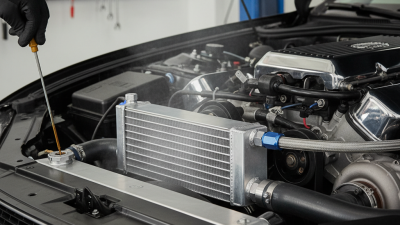
Air Cooled Oil Coolers play a vital role in ensuring optimal performance. These coolers are used in engines, hydraulic systems, and other machinery, preventing overheating. By minimizing temperature fluctuations, they enhance efficiency and reliability in operations.
Yet, there are challenges. Installation and maintenance can be complex. Choosing the right size and type requires careful analysis of operational needs. Companies need to weigh costs against potential downtime from equipment failure. The benefits are clear, but attention to detail is essential. Each application presents unique demands that must be met for success.
Benefits of Air-Cooled Oil Coolers in Industrial Applications
Air-cooled oil coolers are essential in various industrial applications. They efficiently reduce oil temperatures, which is crucial for equipment longevity. These systems use ambient air to dissipate heat, minimizing the need for water sources. This benefit is particularly valuable in remote areas where water is scarce.
The applications of air-cooled oil coolers are diverse. They are suitable for hydraulic systems, compressors, and lubrication systems. Many industries have adopted these coolers due to their low maintenance needs and energy efficiency.
However, they do have limitations. In extremely high-temperature environments, their efficiency might drop. Additionally, they can consume more energy when ambient temperatures rise.
While air-cooled oil coolers offer numerous advantages, users should remain cautious. They may not be the best choice for every scenario. Factors such as space and environmental conditions play a significant role in their effectiveness. A careful evaluation of application requirements is essential before implementing these systems.
Key Features of China’s Top Air-Cooled Oil Coolers
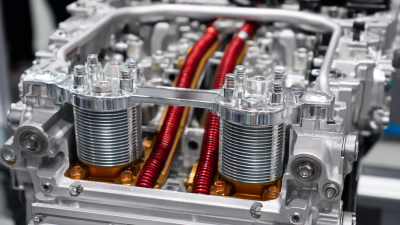
Air-cooled oil coolers are essential components in various industries. They efficiently manage temperatures in systems that rely on oil for lubrication. These coolers prevent overheating, which can lead to equipment failure. China’s top air-cooled oil coolers have distinct features that enhance their performance.
One key feature is their lightweight design. This makes installation easier and reduces the overall weight of machinery. Their compact size allows flexibility in installation. Another important aspect is their high thermal efficiency. This ensures rapid heat dissipation, keeping oil at optimal temperatures. Users notice a marked increase in equipment lifespan and reliability.
While air-cooled oil coolers offer many benefits, challenges exist. Maintenance can be tricky, especially in dusty environments. Regular cleaning is crucial to ensure maximum airflow. Ignoring this can lead to reduced cooling efficiency. Users should be aware that while these coolers are effective, they require diligence and care for optimal performance.
Benefits and Applications of Air Cooled Oil Coolers
Applications of Air-Cooled Oil Coolers Across Various Industries
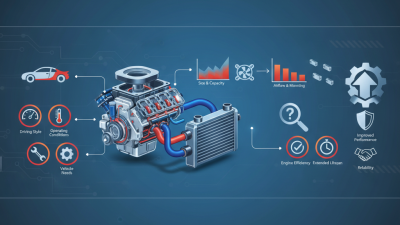
Air-cooled oil coolers find extensive applications across several industries, demonstrating their versatility and effectiveness. These coolers are crucial in automotive, aerospace, and manufacturing sectors. For instance, in the automotive industry, air-cooled oil coolers help maintain optimal engine temperatures, enhancing performance and durability. Industry reports indicate that proper cooling can improve engine efficiency by up to 15%, a significant gain in energy consumption.
Manufacturing equipment also benefits from air-cooled oil coolers. They ensure consistent operating temperatures, which is critical in maintaining performance. A report from the International Journal of Heat and Mass Transfer suggests that effective cooling solutions can increase machine life expectancy by 20%. In the aerospace sector, air-cooled oil coolers are vital for hydraulic and lubrication systems, ensuring safety and reliability at high altitudes. However, design limitations sometimes lead to less efficient heat transfer in high ambient temperatures.
While air-cooled oil coolers offer many advantages, they are not without challenges. For example, selecting the right size and type often requires in-depth knowledge of operating conditions. Misjudgments can lead to inadequate cooling, impacting productivity. Additionally, with the rising global demand for industrial efficiency, further innovations are necessary to address these concerns and enhance the cooling performance of these systems.
China Top Air Cooled Oil Cooler Benefits and Applications Explained - Applications of Air-Cooled Oil Coolers Across Various Industries
| Industry |
Benefits |
Common Applications |
| Automotive |
Improved engine performance and reduced overheating |
Race cars, heavy-duty trucks |
| Manufacturing |
Enhanced machine longevity and efficiency |
CNC machines, hydraulic systems |
| Marine |
Reliable cooling under harsh conditions |
Fishing vessels, cargo ships |
| Power Generation |
Stable operation of generators and turbines |
Gas turbines, diesel generators |
| Construction |
Optimal performance of heavy machinery |
Excavators, bulldozers |
| Agriculture |
Increased productivity of farming equipment |
Tractors, harvesters |
Comparison of Air-Cooled and Liquid-Cooled Oil Coolers
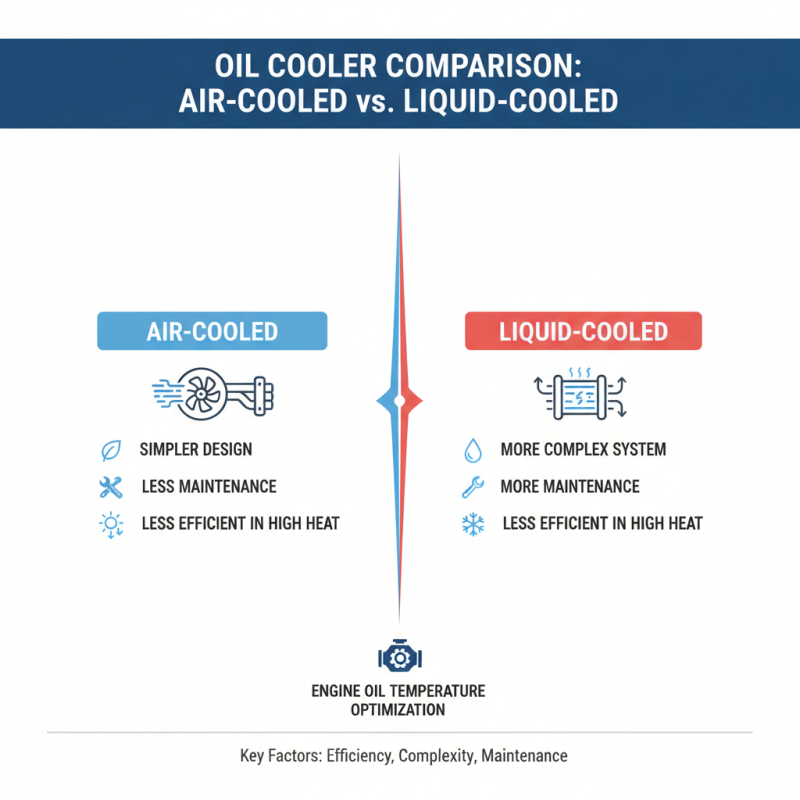
When comparing air-cooled and liquid-cooled oil coolers, several critical factors come into play. Air-cooled systems utilize ambient air for cooling. This design is simpler and often lighter. They require less maintenance and are highly reliable in various conditions. However, their cooling efficiency can decrease in high-temperature environments. In such cases, they might struggle to maintain optimal oil temperatures.
Liquid-cooled oil coolers, on the other hand, generally offer better heat dissipation. They circulate coolant to manage temperatures more effectively. These systems are especially useful in demanding applications, such as heavy machinery or performance engines. Yet, they introduce complexity. They often require additional components like pumps and radiators, which may lead to more maintenance issues over time.
Ultimately, the choice between air-cooled and liquid-cooled oil coolers depends on specific needs. Some applications may benefit from the simplicity of air cooling, while others demand the efficient performance of liquid systems. Understanding these trade-offs is crucial. Each option presents unique advantages and drawbacks, worthy of careful consideration.
Maintenance Tips for Air-Cooled Oil Coolers to Enhance Performance
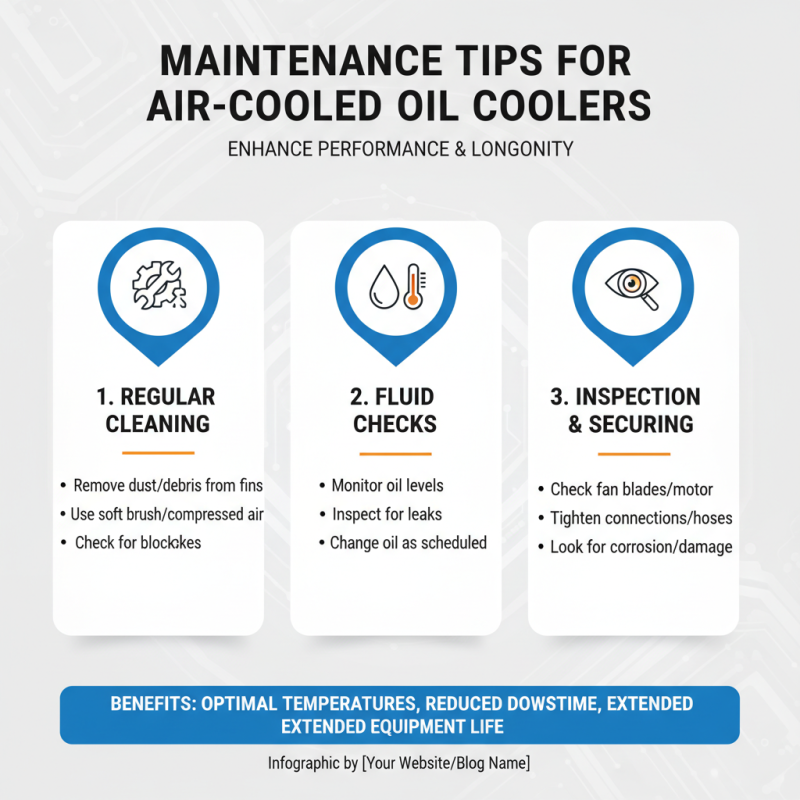
Air-cooled oil coolers are essential in various industrial applications. They help maintain optimal operating temperatures for machinery. Regular maintenance is crucial for ensuring their efficiency and longevity. Failing to keep these coolers in good condition can lead to overheating, reduced performance, and costly repairs.
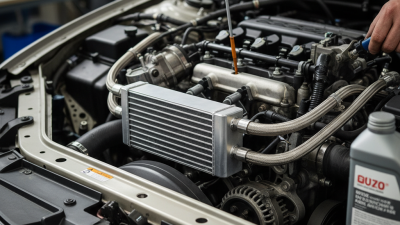
One key maintenance tip is to regularly clean the fins and surfaces of the cooler. Dust and debris can accumulate, hindering airflow. A simple brush or compressed air can work wonders. Additionally, checking for leaks in the oil lines is vital. Leaks can lead to performance issues and can be easy to overlook.
Monitor the oil temperature consistently. If you notice unusual temperature spikes, it could indicate a potential problem. Take time to inspect the cooler for signs of wear. Components might degrade over time, leading to inefficiencies. Addressing these concerns early can prevent significant downtime and maintain peak performance.