How to Check Radiator Quality Before Buying
A radiator can look solid on a showroom floor and still disappoint after installation. Thin paint, uneven seams, and loose connections are easy to miss. Small flaws matter. A careful pre-purchase check can reveal signs of poor workmanship before they become leaks, noise, or uneven room temperatures.
The U.S. Energy Information Administration’s 2015 Residential Energy Consumption Survey reported that space heating represented about 42% of U.S. household site energy use. That figure does not measure radiator performance, but it shows why dependable heating equipment deserves scrutiny. For hydronic radiators, EN 442-1 and EN 442-2 provide technical requirements and test methods for rated heat output. Ask suppliers for applicable test results, material specifications, warranty terms, and traceable quality records. Look closely at the radiator’s welds, coating, fins, ports, and packaging. Check whether dimensions match your pipework and available wall space. If possible, inspect a sample under bright light. Feel the edges. Compare the model label with the documents.
“Radiator Quality Control” should mean more than a final visual inspection. It should include verified materials, dimensional checks, pressure or leak testing, and documented production controls. A polished finish alone proves little. One limitation matters: without a verifiable source, attributing a radiator-specific quotation to a named industry expert would be misleading. So this introduction does not invent one. Buyers should request named technical contacts and original test documentation from the manufacturer. A small omission in the paperwork can deserve a second look.
Identify the Radiator Type and Its Intended Use
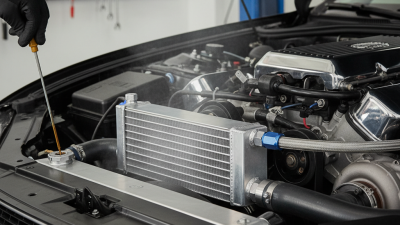
Before judging a radiator’s quality, identify the system it must serve. A vehicle radiator is not interchangeable with a home heating radiator, and even automotive units can differ in core size, hose position, mounting points, and transmission-cooler connections. Check the vehicle’s year, engine, and cooling-system layout against the part specifications. A small mismatch can turn installation into a frustrating job.
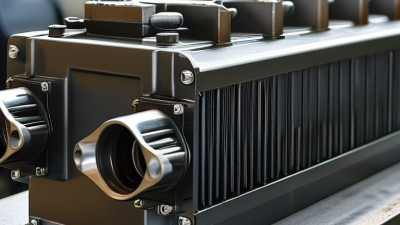
Look closely at construction and intended conditions. Many modern radiators use aluminum cores with plastic tanks; others use metal tanks or copper-brass construction. Each design has trade-offs in weight, repairability, and resistance to corrosion. Inspect the fins for crushed patches, the seams for uneven joins, and the hose necks for rough edges. Feel the mounting brackets. They should not flex easily. Also confirm whether the unit is designed for ordinary commuting, heavy towing, or frequent stop-and-go traffic. Those uses create different cooling demands. A thicker core may look reassuring, but it still needs enough airflow and proper fitment. I would not judge quality by appearance alone; specifications and a clear warranty matter too.
And one detail is easy to miss: a radiator that fits may still have different cooler ports or sensor provisions. Verify those before buying.
Inspect Materials, Construction, and Finishing
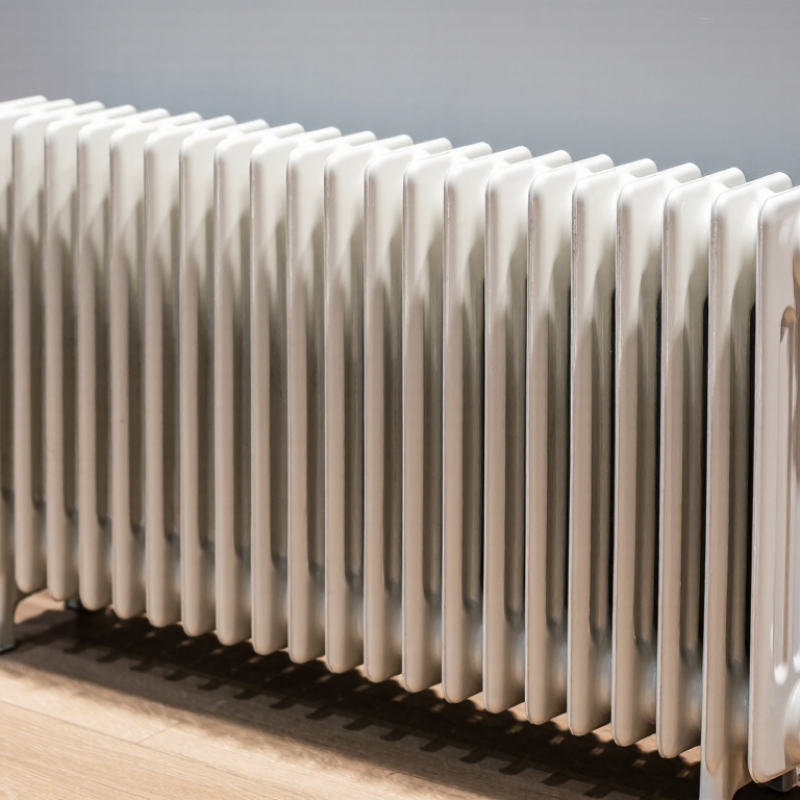
A radiator’s material affects heat transfer, weight, and resistance to corrosion. Check the product specifications rather than relying on appearance alone. For a panel radiator, inspect the seams and edges for even joins. A copper or aluminum unit should feel solid, not flimsy. Ask what the core and exterior are made from, especially if the room is damp. Materials matter.
Look closely at the construction. Welds should appear consistent, with no gaps, sharp burrs, or visible leaks. Examine the brackets and connection points; they should sit squarely and feel secure. The finish should be smooth, even, and free of bubbles, chips, or bare patches. Run a cloth gently over the surface to spot rough areas. A glossy coating can hide flaws, so check corners and the underside too. No quick inspection proves long-term durability, and it is easy to forget that.
Tips: Compare the stated material and coating details with the actual unit. Ask about the warranty and care instructions. Take a moment. A small finish defect may be cosmetic, but repeated unevenness deserves a closer look.
How to Check Radiator Quality Before Buying
Inspect materials, construction, and finishing. Material conductivity is one useful comparison—not a complete measure of radiator performance or quality.
Typical thermal conductivity values are approximate and vary with alloy, grade, and temperature. Also check for even joints, secure connections, smooth coating, and signs of leaks or corrosion.
Check Dimensions, Connections, and Compatibility
How to Check Radiator Quality Before Buying
Measure the available space, then compare it with the radiator’s full height, width, and depth. Leave room for valves, pipework, and airflow; a unit that fits on paper may still crowd a windowsill. Check the pipe-centre distance too, measured from the middle of one connection to the other. Small errors matter. Dimensions alone do not tell you whether the radiator will heat the room adequately, so compare its stated heat output with your room’s needs.
Tips: Photograph the existing pipe connections and note their positions before shopping. Record the pipe-centre distance twice. It is easy to measure from the outer edges by mistake.
Check connection size, location, and valve orientation against your current setup. Do not assume two radiators with similar dimensions use matching fittings. Also confirm the new unit suits your heating system, whether it is connected to central heating or powered electrically. If you are unsure about pressure requirements or connection compatibility, ask a qualified heating professional to verify them. A little caution here can prevent awkward pipe alterations later. I would not rely on appearance alone; even a sturdy-looking radiator can be the wrong fit.
Assess Heat Output, Efficiency, and Safety Features
How to Check Radiator Quality Before Buying
Assess heat output under comparable conditions, not by panel size alone. The EN 442 standard rates radiator output at a stated temperature difference, commonly ΔT50, so check the test conditions beside the wattage. A large rating can look reassuring, but it may not suit a cool room or a low-temperature heating system. Match the output to a room heat-loss estimate, and compare models using the same rating basis. The U.S. Department of Energy notes that electric resistance heating converts incoming electricity into heat at the point of use; that does not mean every heater delivers the same comfort or costs the same to run. Small details matter.
Tips: Check the label. Look for independently tested output, a clear efficiency specification, and a thermostat that can regulate temperature accurately. For electric models, useful safety features include overheat protection and tip-over shutoff where applicable. The U.S. Consumer Product Safety Commission advises keeping portable heaters at least three feet from combustible materials. Check whether the radiator’s installation instructions require similar clearance. Also inspect the plug, casing, controls, and warranty terms for clear documentation. A polished finish is not proof of good performance.
A practical check is to compare rated output with the room’s needs, then examine how the radiator responds to changing settings. Ask whether controls are easy to reach and whether surfaces could be touched accidentally by children or pets. Specifications can be incomplete, and I would not treat one efficiency figure as the whole story. Read the test method, installation guidance, and safety instructions before buying.
Review Certifications, Warranty, and Seller Reliability
A certificate is useful only when it matches the radiator you are considering. Check the document for the exact model, material, and testing scope. A general quality statement may not confirm that a specific unit was tested. If the certificate number is listed, verify it through the issuing organization when possible. Details matter. Keep a copy of the product page and the documents supplied with the radiator.
Read the warranty before paying, not after a leak or fit problem appears. Note its length, covered parts, and exclusions for installation or corrosion. Check whether labor and shipping are included, and what proof of purchase is required. A long warranty sounds reassuring, but unclear conditions can weaken its value. I may still miss a small clause on a quick read, so take a moment to review the full terms.
Seller reliability is harder to judge from polished photos alone. Look for a physical contact method, clear return instructions, and specific answers about compatibility. Recent reviews can help, especially those describing delivery, packaging, and support after a defect. Treat repeated vague praise with caution. If the seller cannot confirm dimensions or explain a warranty claim process, pause before ordering. Save messages and receipts; they can make later questions much easier.