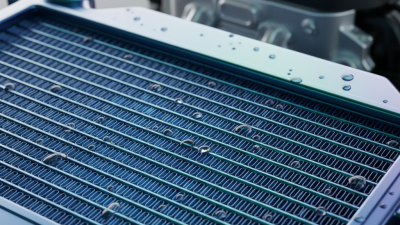
Radiator Optimization is essential for creating a warm, comfortable home. Efficient heating reduces energy costs and enhances comfort. However, many households overlook radiator maintenance and setup. Inadequate optimization can lead to uneven heating and increased bills.
Identifying your radiator's specific needs is crucial. Each radiator type may require different approaches. Simple adjustments can significantly impact efficiency. For example, bleeding radiators helps remove trapped air, improving heat distribution. Additionally, using thermostatic valves allows precise temperature control, minimizing wasted energy.
Even seemingly small changes can yield substantial results. However, it’s important to acknowledge that optimization is an ongoing process. Regular assessments are necessary. Reflecting on your heating habits may uncover hidden inefficiencies. Embrace the idea that there is always room for improvement. Radiator Optimization ultimately creates a cozier environment while being mindful of costs.
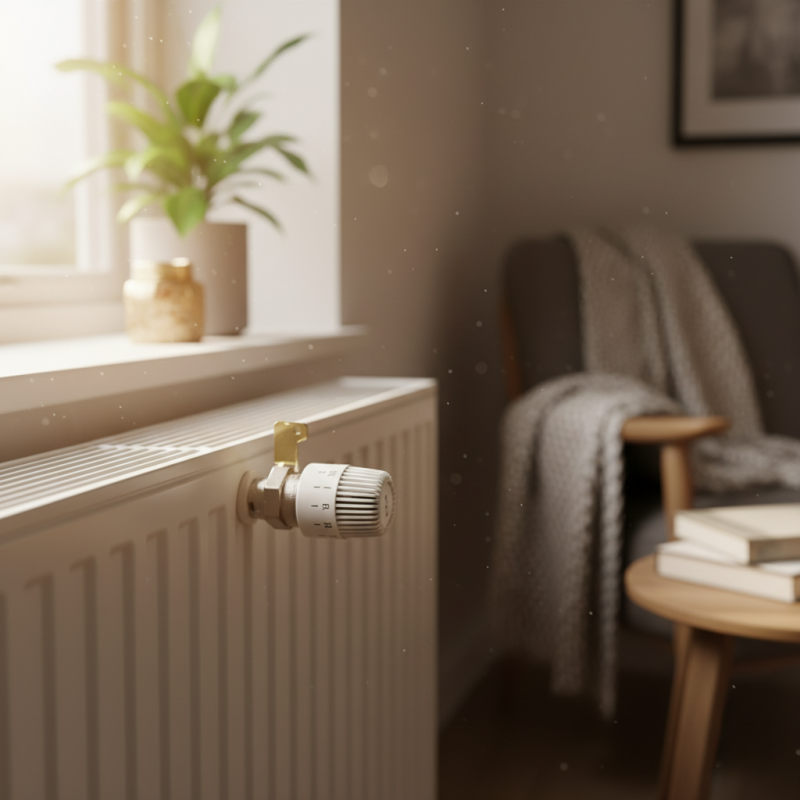
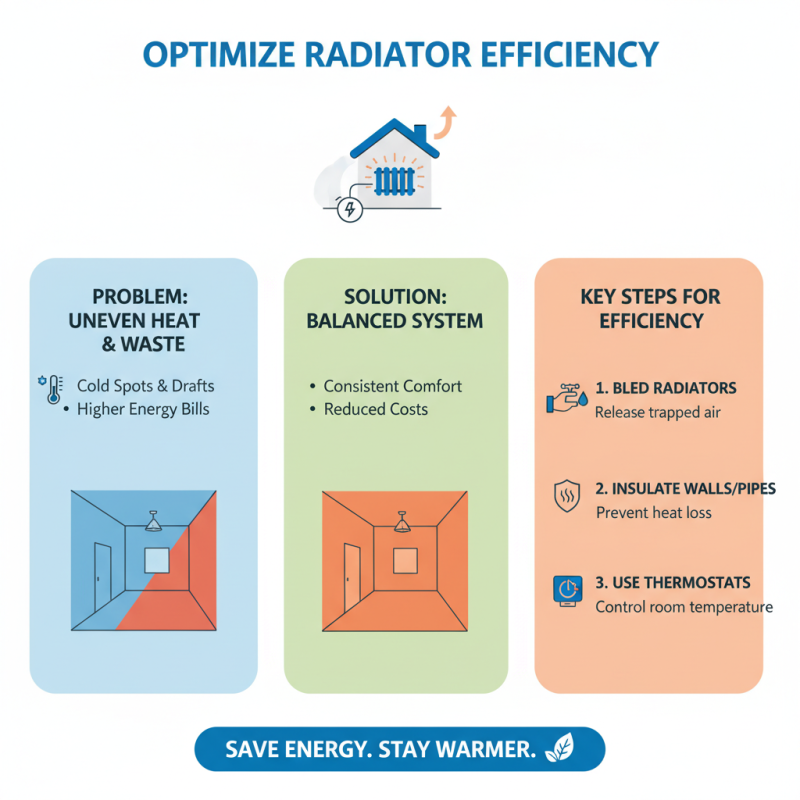
Radiator efficiency plays a crucial role in heating systems. When radiators function properly, they distribute heat evenly throughout a room. However, many homeowners overlook this essential aspect, leading to uneven temperatures and wasted energy. Understanding how to optimize radiator efficiency can significantly improve comfort and lower heating bills.
Regular maintenance is often forgotten. Dust and debris can accumulate on radiators, impeding heat transfer. Cleaning them periodically is a simple yet effective solution. Additionally, bleeding the radiators to release trapped air can enhance performance. Many people neglect this, resulting in cold spots and inefficiencies.
Insulating pipes where hot water travels is also key. Without proper insulation, heat can escape before it reaches the radiator. Many homes lack this, exposing inefficiencies. Moreover, arranging furniture away from radiators ensures that heat circulates freely. Failing to do so can lead to blocked airflow and wasted energy. Radiator efficiency requires attention to details, yet many overlook these practical steps.
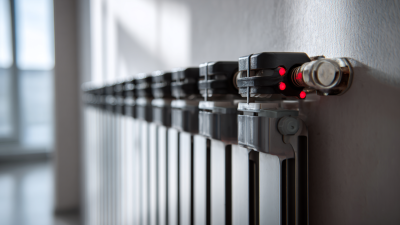
Radiators are essential for maintaining warmth in homes. However, many face common issues that impact their performance. According to the Energy Saving Trust, poorly functioning radiators can reduce heating efficiency by up to 30%. This wasted energy can lead to higher heating bills and environmental harm.
One frequent issue is air trapped in the radiator. This can cause cold spots and uneven heating. Bleeding radiators can improve efficiency, but not everyone is aware of this simple fix. Insufficient water flow due to blockages also affects performance. Regular flushing can help maintain optimal flow.
Another concern is radiator placement. If radiators are behind furniture or drapes, it disrupts airflow. Proper installation is crucial. A study by the Department of Energy shows that optimizing radiator position can lead to a notable reduction in energy usage. Yet, homeowners often overlook this aspect. Making minor adjustments can yield better heating results. In some cases, even the age of a radiator plays a role in its effectiveness. Regular maintenance is critical, but many forget this step. Addressing these common issues can greatly enhance heating efficiency.
| Tip | Description | Impact on Efficiency | Common Issues Addressed |
|---|---|---|---|
| Bleed Your Radiators | Release trapped air to improve heat distribution. | High | Cold spots, uneven heating |
| Check for Leaks | Inspect for visible leaks and fix them promptly. | Very High | Reduced heating efficiency, water damage |
| Install Reflective Panels | Place behind radiators to reflect heat into the room. | Moderate | Heat loss through walls |
| Check Thermostatic Valves | Ensure that valves are functioning properly. | High | Inconsistent temperatures |
| Keep Radiators Clear | Remove furniture and obstacles to allow proper airflow. | High | Blocked heat circulation |
| Regular Maintenance | Schedule yearly professional inspections. | Very High | Overall system efficiency |
| Upgrade Your Boiler | Consider higher efficiency models for better performance. | Extreme | Old, inefficient heating systems |
| Insulate Pipes | Use pipe insulation to prevent heat loss. | Moderate | Heat loss in unconditioned spaces |
| Use Programmable Thermostats | Automate heating schedules for efficiency. | High | Overheating, energy waste |
| Adjust Radiator Settings | Fine-tune radiator settings for optimal performance. | Moderate to High | Inconsistent heating output |
Keeping your radiators clean can significantly enhance their heating efficiency. Dust and debris can build up, obstructing heat flow. Regular cleaning ensures that radiators work effectively. Use a soft cloth or vacuum to wipe down the surfaces. Hard-to-reach areas can accumulate dirt, so don’t skip them.
A simple tip is to bleed your radiators. Air trapped inside can prevent proper heating. Use a radiator key to release any air and let the water flow freely. You might notice a hissing sound when you do this. It’s okay if some water leaks; that means the air is escaping.
Consider checking the radiator thermostat settings occasionally. If they are set too low, this could hinder performance. Adjust them according to your comfort needs. Sometimes, a quick adjustment makes a big difference. Remember, inefficiency often lurks in overlooked corners. Take your time inspecting each unit for optimal output.
Maximizing heat distribution involves thoughtful placement of furniture and decor. Consider where the warmth from your radiator flows. Avoid blocking it with large pieces like sofas or cabinets. Instead, arrange furniture to promote open pathways for heat.
Here’s a tip: try using a mirror across from the radiator. This can reflect warmth back into the room. It’s a simple idea but it can enhance the room's comfort level. Also, keep vents clear and dust-free for better efficiency.
A common mistake is crowding radiators with decor. While decorative items can enhance a room's look, they can act as barriers. If you notice cold spots, rethink your layout. Maybe that lovely plant isn’t worth the chill. Sometimes, a shift in placement can make all the difference.
Modern technology is revolutionizing radiator efficiency, allowing for better heating in homes and offices. Smart thermostats now adjust heating based on your schedule. Instead of blasting heat when no one is home, they learn when to save energy. This is beneficial for both the wallet and the environment.
Radiator valves can also be automated. They don't just open or close; they adapt to room temperatures autonomously. This precision eliminates hot and cold spots. Yet, many still overlook these upgrades. The shift towards smart heating might seem daunting. Can everyone afford it?
Another innovative step is integrating heat reflectors behind radiators. These reflect warmth back into the room. It's a simple, cost-effective solution. However, some may feel it's not as glamorous as high-tech options. Will you keep ignoring these easy upgrades? Improve your heating and consider these modern methods. They could reshape your comfort.