Best Hydraulic Oil Cooling System Solutions for Global Buyers?
Hydraulic Oil Cooling Systems play a crucial role in maintaining optimal performance in various machinery. These systems help manage temperatures in hydraulic circuits. Proper cooling ensures effective operation and prevents overheating. As industrial demands grow, buyers are increasingly seeking reliable solutions.
Navigating the market for hydraulic oil cooling solutions can be challenging. Competitions arise from various manufacturers, each offering different technologies and designs. Buyers must evaluate efficiency, durability, and cost-effectiveness. It's vital to consider the unique environment where the system will operate. Factors such as ambient temperature and system load influence choice.
The right hydraulic oil cooling system can enhance productivity. However, choosing the wrong one can lead to failures. Some systems may not perform as advertised. Regular maintenance is necessary for optimal results. Buyers should focus on quality and the reputation of manufacturers. In the end, an informed choice can lead to significant long-term benefits.
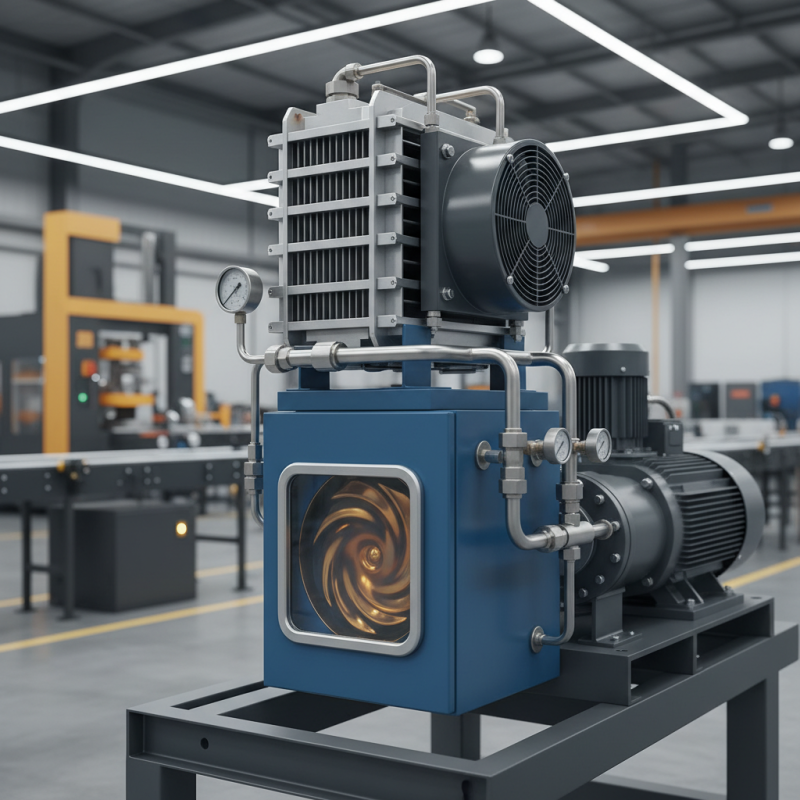
Introduction to Hydraulic Oil Cooling Systems
Hydraulic oil cooling systems play a critical role in maintaining the efficiency of hydraulic machinery. These systems ensure that hydraulic fluids remain within optimal temperature ranges. Heat can cause hydraulic oil to break down. This can increase wear and reduce the lifespan of machinery. Therefore, effective cooling systems are essential for performance and reliability.
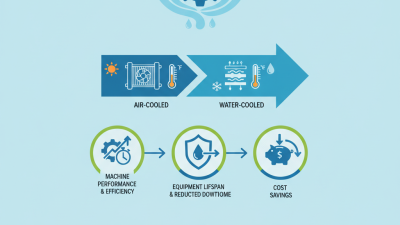
Different cooling methods exist, including air-cooled and water-cooled systems. Each has its distinct advantages and challenges. Air-cooling tends to be simpler and requires less maintenance. However, it may not be effective in extremely high temperatures. Water-cooling, while more efficient, necessitates a consistent water supply and proper management. Choosing the right one involves an understanding of the specific application requirements.
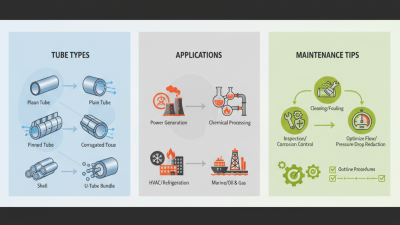
Despite their importance, many users overlook the maintenance of cooling systems. Neglecting routine checks can lead to system failures. Users must be aware of fluid levels and system cleanliness. Regular inspections help avoid unexpected downtimes. Ultimately, maintaining these systems is not just about performance; it's about safeguarding investments in hydraulic equipment.
Best Hydraulic Oil Cooling System Solutions for Global Buyers
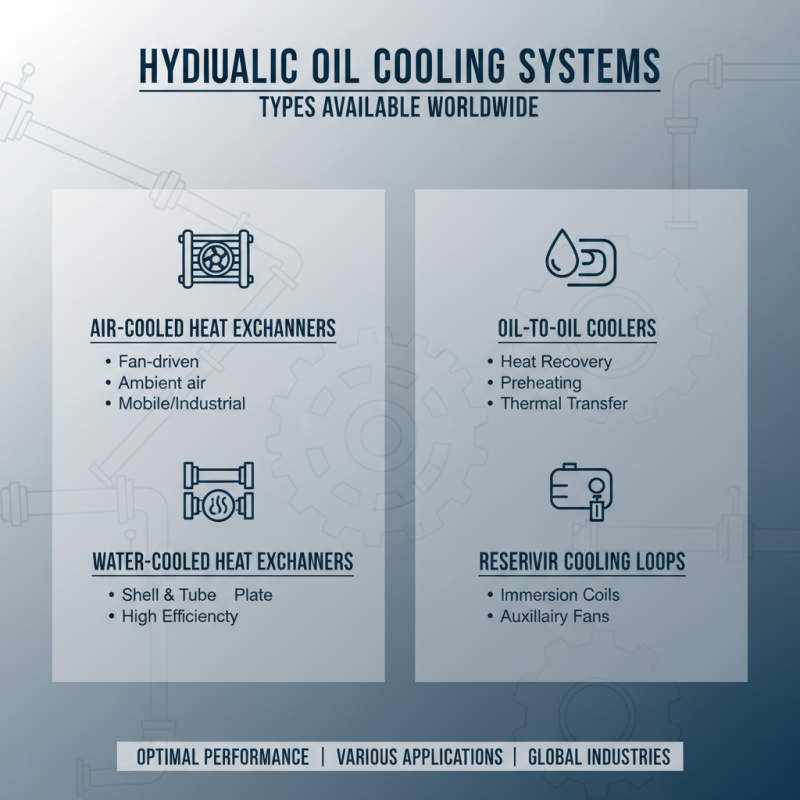
Types of Hydraulic Oil Cooling Systems Available Worldwide
Hydraulic oil cooling systems play a crucial role in maintaining optimal performance in various hydraulic applications. These systems are essential in industries like construction, manufacturing, and automotive. Several types of hydraulic oil cooling systems are available, making it important to understand their features and functionalities.
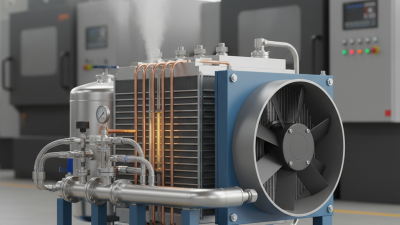
Air-cooled systems utilize ambient air to dissipate heat. They are relatively simple and cost-effective. However, their efficiency can drop in high-temperature environments. Water-cooled systems, on the other hand, use water as a cooling medium. They offer better heat exchange but require access to water sources, which may not be available everywhere. Although these systems are effective, their installation can be more complex and costly.
Plate heat exchangers and shell-and-tube designs are also common. Plate heat exchangers are compact and efficient in heat transfer. Shell-and-tube designs handle larger volume flows but may require more maintenance. Buyers must assess their application needs carefully. The diversity in technologies means there is likely a solution to fit every scenario. Understanding these options will empower industries to make informed decisions.
Key Features and Benefits of Effective Cooling Solutions
Hydraulic oil cooling systems play a critical role in maintaining equipment efficiency. These systems prevent overheating by effectively dissipating heat generated during operations. According to a report by the International Journal of Engineering Research and Applications, up to 30% of hydraulic system failures result from overheating. This underscores the importance of effective cooling solutions.
Key benefits of these cooling systems include enhanced equipment longevity and improved performance. Proper cooling can extend the lifespan of hydraulic fluids and components by up to 50%. This extension can lead to significant cost savings over time. Furthermore, optimal cooling can improve energy efficiency in hydraulic systems, reducing operational costs and energy consumption. In a recent study by the Hydraulic Institute, implementing advanced cooling solutions led to a 15% reduction in energy usage.
Designing an efficient hydraulic oil cooling system requires careful consideration. Factors like ambient temperature, fluid type, and system capacity must be evaluated. However, many systems still face challenges, such as inadequate flow rates and improper sizing. These issues can result in insufficient cooling, ultimately affecting operational reliability. Continuous improvement and innovation are necessary to address these common shortcomings and enhance overall system effectiveness.
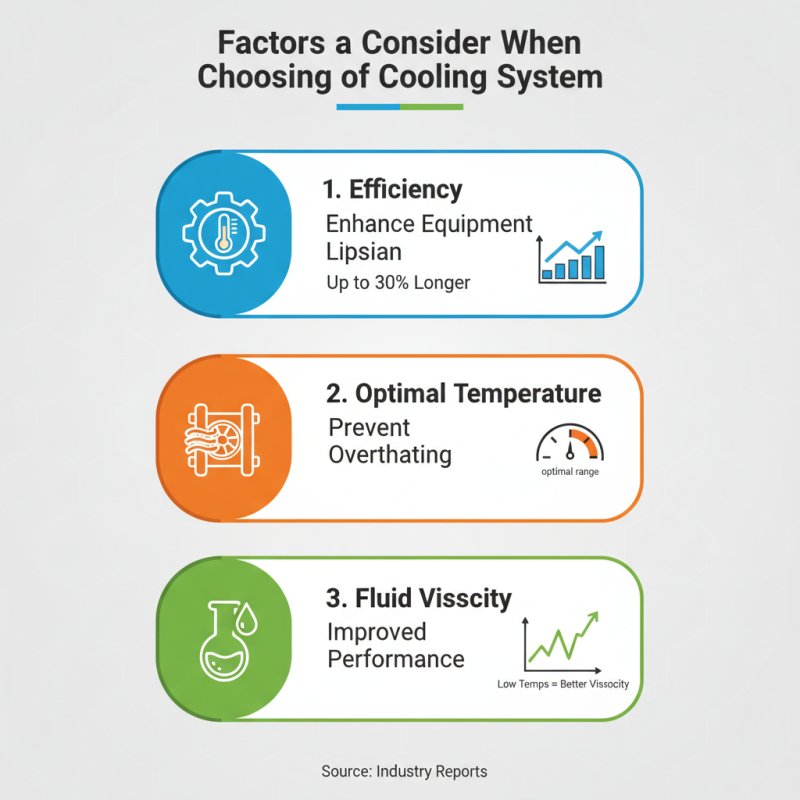
Factors to Consider When Choosing a Cooling System
When selecting a hydraulic oil cooling system, several factors play a crucial role. Efficiency is paramount. According to industry reports, effective cooling can enhance equipment lifespan by up to 30%. Systems should maintain optimal temperatures to prevent overheating. Low temperatures can also improve hydraulic fluid viscosity, leading to better performance.
It's also essential to consider the design of the system. A well-structured system should be easy to maintain and have accessible components. Regular maintenance can prevent costly downtime. Reports indicate that many organizations overlook maintenance schedules, impacting overall system efficiency. This gap can lead to significant financial losses over time.
Another factor to ponder is the environment where the system operates. Ambient temperature, humidity, and dust levels all influence cooling performance. Systems designed for harsh conditions might require additional features, such as high-efficiency filters. As evidenced by industry case studies, ignoring environmental variables can lead many buyers to underperform in their cooling solutions. The choice of materials and technology must reflect these operational realities.
Top Suppliers and Manufacturers of Hydraulic Oil Cooling Systems
When considering hydraulic oil cooling systems, choosing the right supplier is crucial. Many manufacturers offer a range of solutions tailored to various industrial needs. These include systems that ensure optimal temperature regulation, which can enhance equipment lifespan and efficiency. It is essential to assess the cooling capacity, material quality, and maintenance support provided by each supplier.
Tips: Look for suppliers with strong technical support. This ensures you can get prompt assistance when issues arise. Quality certifications can also indicate reliability. Always compare multiple manufacturers to find the best fit for your requirements.
A reliable supplier will understand the nuances of hydraulic systems. They should be able to offer custom solutions for specific applications. It's not just about the price; value comes from longevity and performance. An inefficient system can lead to increased downtime and costly repairs.
Exploring global suppliers can reveal innovative technologies. However, one must carefully evaluate their claims. Understand the cooling technology used and its suitability for your operations. Not all solutions are created equal, and there may be learning curves involved in integration. It's essential to stay engaged with the supplier throughout the process.
Best Hydraulic Oil Cooling System Solutions for Global Buyers
| Cooling System Type |
Cooling Capacity (kW) |
Operating Pressure (bar) |
Material |
Efficiency Rating |
| Air-Cooled |
30 |
200 |
Aluminum |
95% |
| Water-Cooled |
50 |
250 |
Stainless Steel |
97% |
| Shell and Tube |
40 |
300 |
Copper |
92% |
| Plate Heat Exchanger |
35 |
220 |
Titanium |
98% |
| Finned Tube |
45 |
180 |
Carbon Steel |
90% |