Top 5 Benefits of Using a Transmission Oil Cooler?
A Transmission Oil Cooler is essential for maintaining vehicle performance. According to automotive expert Sarah Thompson, "A well-functioning cooler can extend your transmission's life significantly." This statement highlights the importance of this component in preventing overheating.
When driving, the transmission generates heat. Without proper cooling, its efficiency declines. A Transmission Oil Cooler addresses this by dissipating heat from the fluid. Many vehicle owners overlook this vital part, which can lead to costly repairs.
Additionally, operating a vehicle with an inefficient cooling system can compromise safety. Drivers may experience unexpected breakdowns, resulting in hazardous situations. Regular maintenance and awareness of the Transmission Oil Cooler can mitigate risks and enhance vehicle longevity. Recognizing its benefits is key to responsible vehicle ownership.
Understanding Transmission Oil Coolers and Their Importance
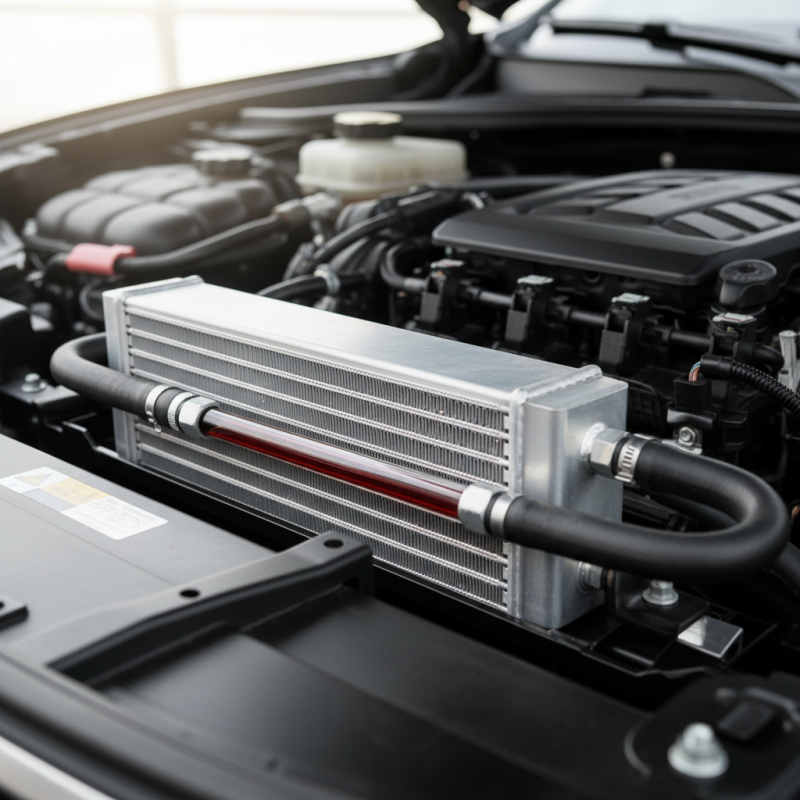
Transmission oil coolers play a vital role in maintaining the health of your vehicle’s transmission system. By regulating the temperature of the transmission fluid, these coolers prevent overheating. An overheated transmission can lead to costly repairs and performance issues. It's essential to understand how they work to appreciate their importance.
Heat is the enemy of any vehicle. It degrades transmission fluid and can cause serious damage over time. Using a transmission oil cooler helps prolong the life of the transmission. Additionally, it can improve shifting performance and overall vehicle responsiveness. This is especially beneficial in towing situations or during heavy-duty driving.
Tip: Regularly check the condition of your transmission fluid. Dirty or low fluid can undermine the benefits of a cooler. Also, consider inspecting the cooler itself for any signs of wear or leaks.
Choosing the right cooler for your vehicle can be challenging. Factors like vehicle type, usage, and climate should influence your decision. While a cooler may seem like an investment, the long-term benefits often outweigh the initial costs.
Tip: Consult with a professional if you’re unsure about what type of cooler suits your needs best. Their insights can save you from making costly mistakes.
Enhanced Transmission Efficiency Through Temperature Regulation
The importance of temperature regulation in vehicle transmission systems cannot be overstated. A transmission oil cooler plays a crucial role in maintaining optimal temperatures. High operating temperatures can lead to fluid breakdown and increased wear. With a cooler in place, the transmission fluid stays at a safe temperature, enhancing overall efficiency.
When the fluid remains cool, it flows better, allowing for smoother gear changes. You may notice improved acceleration and better fuel economy as a result. This is particularly important for heavy-duty applications or during towing. Regular checks are essential, as neglect can lead to issues that might compromise performance.
Moreover, a cooler can extend the lifespan of transmission components. When parts run too hot, they wear out quickly. Without proper cooling, drivers could face costly repairs or replacements. Some might overlook this small but significant component. Still, recognizing its impact can lead to better vehicle longevity and reliability on the road.
Top 5 Benefits of Using a Transmission Oil Cooler
This chart illustrates the top five benefits of using a transmission oil cooler, evaluating each on a scale from 1 to 10 based on their impact on transmission efficiency. Improved heat dissipation and reduced operating temperatures are among the most significant advantages, enhancing overall performance and extending the life of the transmission.
Extended Transmission Lifespan: The Role of Oil Coolers
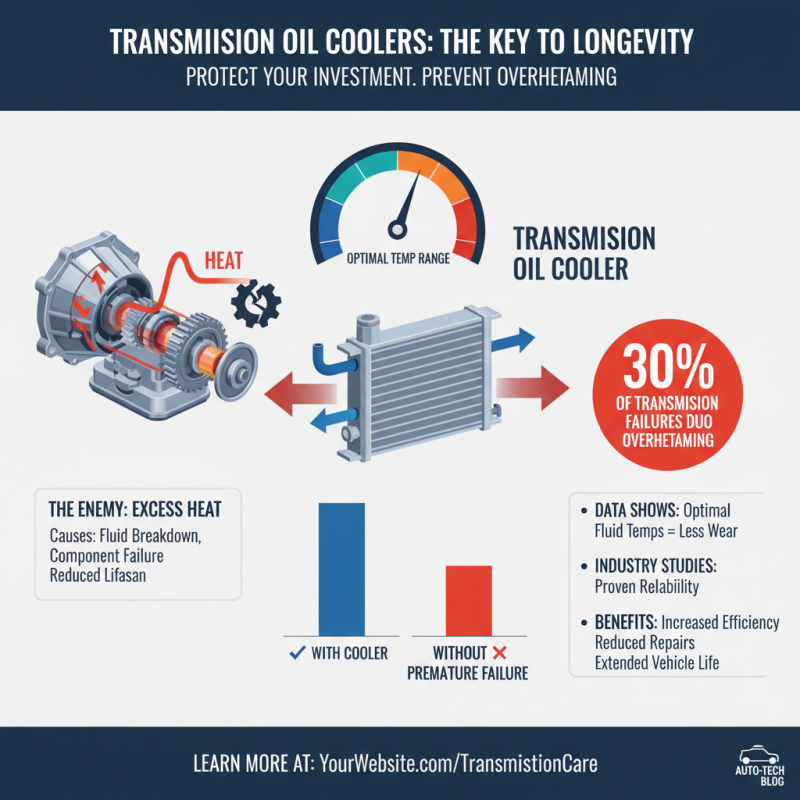
Transmission oil coolers play a crucial role in extending the lifespan of your vehicle’s transmission. Data shows that maintaining optimal transmission fluid temperatures can reduce wear and tear significantly. Excess heat is often the enemy, causing fluid breakdown and component failure. According to recent industry studies, nearly 30% of transmission failures can be attributed to overheating.
When the transmission overheats, the oil loses its viscosity. This thickening can prevent proper lubrication, leading to premature wear. A properly installed oil cooler can maintain fluid temperatures within a safe range, improving performance and durability. For instance, studies indicate that cars equipped with transmission oil coolers experience a lifespan increase of up to 50%.
However, the installation process isn’t always perfect. Some users report issues with airflow and summer heat. Moreover, not all vehicles will benefit equally. Proper sizing and installation are vital for effectiveness. If the oil cooler is too small or improperly placed, it may not solve the overheating problem at all. Recognizing these pitfalls is essential for truly leveraging the benefits of an oil cooler.
Improved Vehicle Performance with a Transmission Oil Cooler
Using a transmission oil cooler can significantly enhance your vehicle's performance.
Heat is the enemy of transmissions. When
transmission fluid gets too hot, it loses its ability to lubricate. This raises the risk of wear and tear on
vital components. According to the SAE International, excessive heat can reduce fluid life by
50% or more. Installing an oil cooler helps keep temperatures in check.
Data shows that vehicles equipped with transmission coolers often experience smoother shifting and improved
response times. A cooler can lower fluid temperatures by an average of 20 to 30 degrees Fahrenheit.
This helps in maintaining optimal viscosity, ensuring that the fluid service life extends. It's important to
remember that high temperatures can lead to erratic shifting and transmission slippage. Such issues can be
frustrating and costly in the long run.
However, not all systems are perfect. Some oil cooler designs may block airflow if not properly installed.
This could lead to other heating issues. Additionally, regular maintenance is crucial;
coolers can become clogged over time. Neglecting this can undermine the benefits of the cooler. Being aware of these factors can help in making a more informed decision.
Cost Savings Associated with Preventative Maintenance of Transmissions
Maintaining a reliable transmission can save a lot of money in the long run.
Poor transmission health often leads to costly repairs. Using a transmission oil cooler is one preventive measure that can help.
It effectively regulates oil temperature. This keeps the transmission fluid cleaner for longer.
Properly maintained oil reduces wear and tear. It helps to avoid major breakdowns. Regular check-ups can identify issues early.
Minor problems can often be fixed easily. This saves time and money only if addressed promptly. Neglecting even small signs can lead to bigger, more expensive issues.
Routine maintenance including oil changes is essential. However, some may overlook it due to busy schedules.
This can be a mistake. The cost of neglect adds up quickly. Investing in prevention pays off. A small expense today can prevent a large one tomorrow.
Each step towards better maintenance is worth taking.