Top 10 Benefits of Copper Engine Radiators for Your Vehicle?
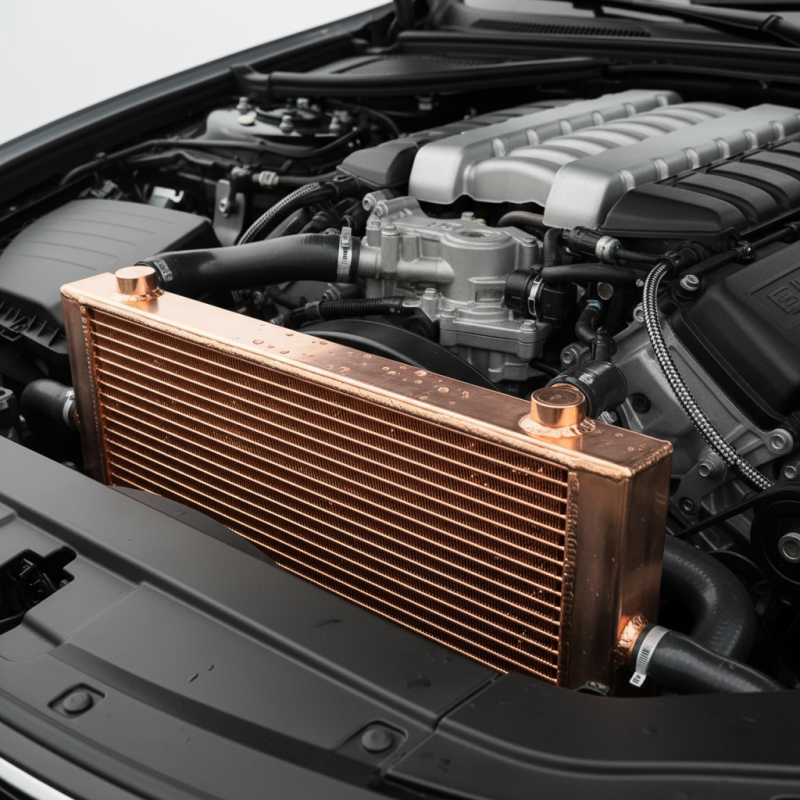
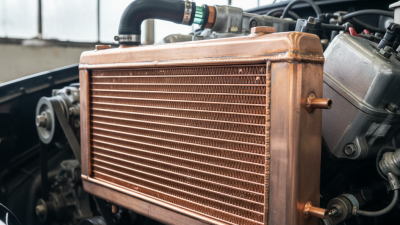
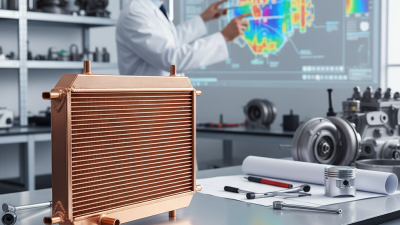
In the world of automotive cooling systems, the Copper Engine Radiator stands out. Many vehicles rely on this component for optimal performance. Copper’s excellent thermal conductivity allows for efficient heat dissipation. This feature keeps engines running cool during demanding conditions.
Copper Engine Radiators are also known for their durability. Unlike other materials, copper can withstand extreme temperatures. This resilience means fewer replacements over time. However, some may overlook the importance of regular maintenance. A neglected radiator can lead to overheating and engine damage.
Cost is another factor to consider. While initial pricing may be higher, the longevity of a Copper Engine Radiator can prove cost-effective. Investing in quality saves money in the long run. Yet, the choice to switch requires reflection on vehicle needs and performance. Overall, understanding these benefits is key for car owners.
Advantages of Copper Radiators in Heat Dissipation Efficiency
Copper radiators have gained popularity due to their exceptional heat dissipation efficiency. Studies show that copper conducts heat nearly twice as effectively as aluminum. This can lead to improved engine performance, especially under high-stress conditions. Efficient heat management is crucial; engines running too hot can suffer severe damage. Copper helps maintain optimal temperatures, reducing the risk of overheating.
In addition to efficiency, copper radiators are often more durable than their aluminum counterparts. They can withstand high pressure and resist corrosion better over time. The lifespan of a copper radiator can exceed that of an aluminum model by 20% or more. However, some critics highlight that copper radiators may weigh more. This might affect certain performance-focused applications. Also, the initial cost may be higher, prompting some vehicle owners to reconsider their options.
Practically, copper's superior heat dissipation can influence fuel efficiency. A cooler engine often operates more efficiently, directly impacting fuel consumption rates. Reports suggest that an effective cooling system can improve vehicle fuel economy by 5-10%. While copper radiators offer many advantages, potential owners must weigh these benefits against factors like weight and cost. Every vehicle is unique, and what works for one may not work for another.
Top 10 Benefits of Copper Engine Radiators for Your Vehicle
| Benefit |
Description |
Heat Dissipation Efficiency |
Durability |
| Excellent Thermal Conductivity |
Copper has superior thermal conductivity compared to aluminum, enabling quicker heat transfer. |
High |
Long-lasting |
| Corrosion Resistance |
Copper radiators are treated to resist corrosion, prolonging their lifespan. |
Medium |
Enhanced |
| Weight Efficiency |
Copper radiators are lightweight, leading to less load on the vehicle. |
Moderate |
Good |
| Recyclability |
Copper is highly recyclable, making it an eco-friendly option. |
N/A |
N/A |
| Superior Performance in High Temps |
Copper effectively manages high temperatures, preventing overheating. |
Very High |
Excellent |
| Aesthetic Appeal |
Copper has a visually striking appearance, adding to vehicle aesthetics. |
N/A |
N/A |
| Lower Maintenance Costs |
Durability results in lower frequency of repairs and replacements. |
Medium |
Strong |
| Reduced Energy Consumption |
Efficient heat transfer contributes to lower fuel consumption. |
High |
Good |
| Compatibility with Coolant |
Copper radiators are compatible with various types of coolant. |
N/A |
N/A |
| Improved Engine Longevity |
Excellent heat management extends overall engine life. |
Very High |
Superior |
Durability and Longevity of Copper Engine Radiators Compared to Alternatives
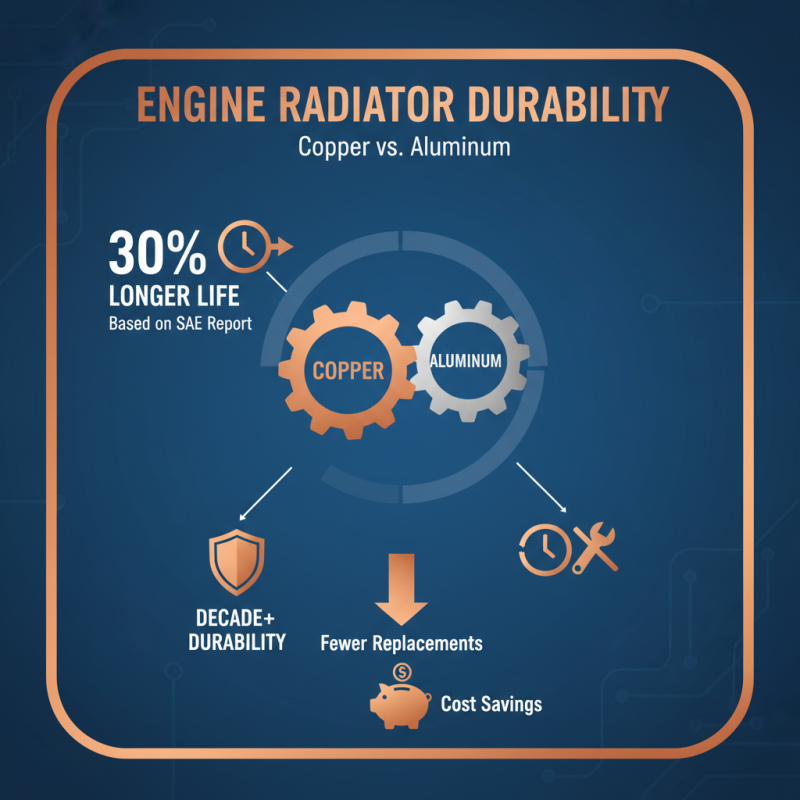
Copper engine radiators exhibit exceptional durability and longevity, often outperforming their aluminum counterparts. According to a recent industry report from the Society of Automotive Engineers, copper radiators can last up to 30% longer than aluminum ones. This durability can lead to fewer replacements over time. When properly maintained, copper radiators can serve drivers reliably for a decade or more.
The ability of copper to withstand higher temperatures also contributes to its longevity. Its thermal conductivity is superior, allowing for better heat dissipation. This means the engine operates at optimal temperatures, reducing wear and tear. However, the potential for corrosion and the weight factor are considerations. Not all vehicles require the heavier copper design, which might lead to inefficiencies in some cases.
Moreover, if a radiator is not maintained, even copper can succumb to issues like leaks. It’s crucial to monitor the condition regularly. Some users have reported that, despite the benefits, the initial installation cost of copper radiators can deter them. It raises the question: is the upfront investment worth the long-term savings in durability? It's a personal choice that requires careful thought.
Corrosion Resistance and Maintenance Benefits of Copper Radiators
Copper engine radiators offer significant corrosion resistance. Unlike aluminum, copper has natural anti-corrosive properties. This means less rusting and degradation over time. Research indicates that copper radiators can last up to 50% longer than their aluminum counterparts. For vehicles regularly exposed to harsh conditions, this longevity is crucial.
Maintenance is simpler with copper radiators. They can be cleaned more effectively, ensuring optimal heat dissipation. A study showed that copper's thermal conductivity is approximately 30% better than aluminum. This efficiency translates into better engine performance. Drivers can often notice improved cooling response in demanding situations.
However, there are some trade-offs. Copper radiators are generally heavier. Their initial cost can also be higher. Some users may not appreciate the added weight, which impacts overall vehicle dynamics. It’s essential to weigh these factors against the long-term benefits. Regular maintenance is still required, but the durability of copper can mitigate frequent repairs.
Cost-Effectiveness: Initial Investment vs. Long-Term Benefits of Copper
When considering vehicle radiators, copper emerges as a compelling choice. The initial cost of copper radiators may be higher than alternatives, like aluminum. However, their durability and efficiency can lead to significant long-term savings. According to a recent industry report, copper radiators last up to 30% longer than their competitors. This longevity translates to fewer replacements and reduced labor costs over time.
Moreover, copper's thermal conductivity is superior. It dissipates heat more effectively, which can enhance engine performance. A study shows that vehicles with copper radiators can see temperature reductions of 10-15%. This efficiency may lead to improved fuel economy and reduced emissions. The environmental benefits are worth noting, too. Fewer replacements mean less waste and lower resource consumption.
Yet, there's a catch. Not all vehicles benefit from copper radiators equally. Some engines may face compatibility issues. Owners must evaluate their vehicle's specific needs. Furthermore, maintenance is essential. Copper can be susceptible to corrosion. Regular checks and proper upkeep can mitigate this issue. Balancing these factors ensures you make an informed decision.
Cost-Effectiveness of Copper Engine Radiators
Performance Optimization: How Copper Improves Engine Cooling System
Copper is well-known for its excellent thermal conductivity. This feature is crucial for engine cooling systems. When used in radiators, copper transfers heat more effectively than other materials. A cooler engine operates more efficiently, leading to improved performance.
The design of copper radiators often enhances the flow of coolant. Their structure allows for greater surface area contact for heat dissipation. This is vital in high-performance vehicles where heat build-up can be significant. However, some might find that copper radiators require more maintenance. They can be more susceptible to corrosion without proper care.
Despite the challenges, many enthusiasts praise copper for its durability. It can withstand extreme conditions better than aluminum. Even though they are heavier, the longevity of copper often outweighs this issue. As temperatures rise, the need for effective cooling becomes paramount. Copper's reliable performance can make a noticeable difference in engine health.