Why Is an Air Cooled Oil Cooler Essential for Your Engine?
In the world of automotive engineering, the role of an Air Cooled Oil Cooler is vital. Experts highlight its importance in maintaining engine efficiency. John Roberts, a seasoned engineer in engine cooling systems, states, "The Air Cooled Oil Cooler prevents overheating, ensuring longevity and performance."
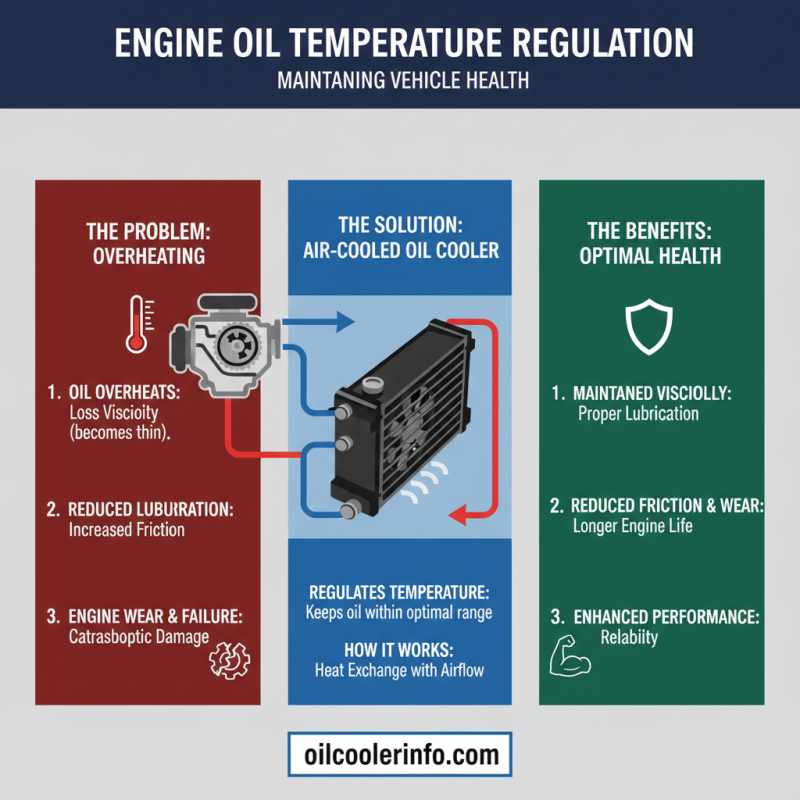
Proper oil temperature regulation is crucial for any engine. Without an efficient Air Cooled Oil Cooler, oil can break down. This breakdown reduces lubrication effectiveness, leading to increased wear. The consequences of neglecting this component can be severe. Over time, an overheated engine may suffer irreversible damage.
Many car owners overlook the oil cooler’s function, leading to potential engine failure. It’s essential to recognize that maintaining the right oil temperature can save considerable repair costs. An Air Cooled Oil Cooler can provide a solution to these risks if properly installed and maintained. Regular checks should not be neglected.
Understanding the Functionality of Air Cooled Oil Coolers
Air cooled oil coolers play a vital role in engine performance. They help maintain optimal oil temperatures, preventing overheating. When oil gets too hot, it loses its lubricating properties. This can harm engine parts. According to a study, maintaining oil temperatures below 250°F can increase engine life by 30%.
These coolers work by exposing oil to air. The cooler's design allows efficient heat dissipation. Although this method is widely used, not every cooler performs equally. In fact, poorly designed or dirty coolers can restrict airflow and lead to higher temperatures. Regular maintenance is necessary to ensure effectiveness.
Tips: Always check the oil cooler for leaks or debris. Clean it regularly to maintain airflow. Also, monitor oil temperature, especially during heavy use. A small investment in upkeep can prevent costly engine repairs later on. Awareness of these details can save time and money.
Importance of Air Cooled Oil Coolers for Engine Performance
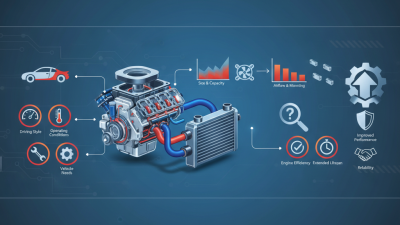
This chart illustrates key metrics affected by an air cooled oil cooler. As the engine and oil temperatures increase, performance efficiency and engine longevity can decline, necessitating the role of cooling systems to optimize engine function and reduce maintenance frequency.
Benefits of Using Air Cooled Oil Coolers in Engine Performance
Air-cooled oil coolers play a vital role in engine performance. They effectively reduce oil temperatures, ensuring your engine runs smoothly. As oil circulates, it absorbs heat. This heat can lead to engine wear and tear if not managed. An air-cooled oil cooler dissipates this excess heat, promoting longevity.
When temperatures rise too much, oil becomes less effective. Engine components may become damaged, which is costly. An air-cooled oil cooler maintains optimal oil temperature throughout driving conditions. This helps preserve the engine's integrity. Furthermore, it can enhance fuel efficiency as the engine operates at its best.
However, not all vehicles are designed with an air-cooled system in mind. Some may require retrofitting, which can be challenging. Proper installation and maintenance are essential. Ignoring this equipment might lead to overheating and serious issues down the road. Assessing your engine's needs can help determine if an air-cooled oil cooler is right for you.
Comparison of Air Cooled and Liquid Cooled Oil Coolers
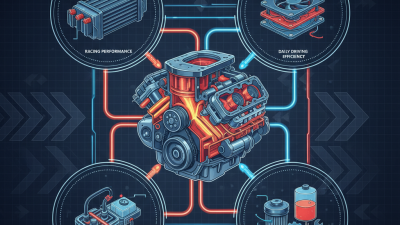
Air cooled and liquid cooled oil coolers serve the same purpose: maintaining optimal engine temperature. However, they approach this task differently. Air cooled oil coolers rely on airflow to dissipate heat. They are usually simpler in design and lighter. These coolers can be highly effective in certain driving conditions.
Liquid cooled oil coolers, on the other hand, use coolant to regulate temperature. This method can be more efficient, especially in extreme conditions. Liquid coolers can provide consistent cooling, which is crucial for high-performance engines. However, they often involve more complex systems and additional maintenance.
Tip: When choosing between air and liquid coolers, consider the environment where you drive. Air cooled systems might suit those in mild climates. They are cheaper and easier to install. But for high-performance needs, liquid cooled options may be necessary.
Both systems have their pros and cons. Air cooled may lack efficiency in hot weather. Liquid cooled can be overkill for everyday vehicles. Evaluate your driving habits carefully to make the right choice. Each cooler requires regular checks to ensure efficiency. Keeping an eye on performance can prevent future issues.
Why Is an Air Cooled Oil Cooler Essential for Your Engine? - Comparison of Air Cooled and Liquid Cooled Oil Coolers
| Feature |
Air Cooled Oil Cooler |
Liquid Cooled Oil Cooler |
| Cooling Efficiency |
Moderate |
High |
| Installation Complexity |
Easy |
Complex |
| Maintenance Requirements |
Low |
Moderate |
| Weight |
Light |
Heavy |
| Cost |
Lower |
Higher |
| Suitable Applications |
Light-duty Engines |
Heavy-duty Engines |
Installation and Maintenance Tips for Air Cooled Oil Coolers
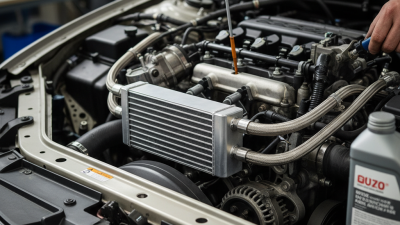
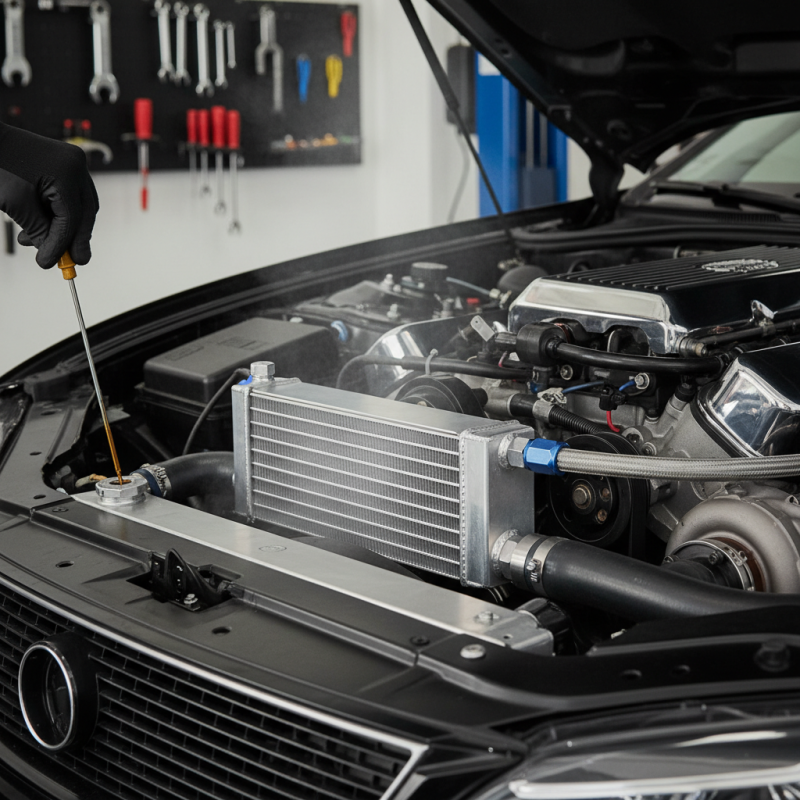
Air cooled oil coolers play a vital role in engine performance. Proper installation ensures optimal functionality. Start by selecting a suitable location. It should have good airflow. Avoid placing it near heat sources.
Next, pay attention to the mounting position. Keep it level to prevent oil pooling. Use high-quality hoses for connections. Inspect for leaks after installing. Regular maintenance is important. Clean the cooler periodically to remove debris. Monitor oil temperatures. If they rise unexpectedly, check the cooler.
Neglecting maintenance can lead to problems. A clogged cooler won't cool effectively. This can cause engine overheating. Be proactive instead of reactive. Regular checks can save you from costly repairs. Learn from any mistakes made during installation. Adjustments may be necessary over time. An air cooled oil cooler, when cared for, keeps your engine running smoothly.