What is an Air Cooled Heat Exchanger and How Does It Work?
Air Cooled Heat Exchangers (ACHEs) play a crucial role in various industrial processes. They facilitate cooling without the need for water, making them increasingly relevant in water-scarce regions. According to a report by MarketsandMarkets, the global ACHE market is expected to grow from $4.7 billion in 2021 to $6.5 billion by 2026, indicating a robust demand for these systems.
Dr. Sarah Thompson, an industry expert at ThermoTech, emphasizes their efficiency: "Air cooled heat exchangers are vital for industries looking to optimize performance while minimizing environmental impact." ACHEs can significantly reduce energy consumption, as they utilize ambient air for cooling. This advantage is particularly important considering the rising energy costs and regulatory pressures to reduce carbon footprints.
However, not all ACHE systems are created equal. Variability in design and application can lead to efficiency drawbacks. Users must critically assess their specific needs to ensure optimal performance. Recognizing the intricacies of ACHE technology is essential for making informed decisions. Understanding the engineering behind these systems can elevate operational standards and promote sustainable practices in industries worldwide.
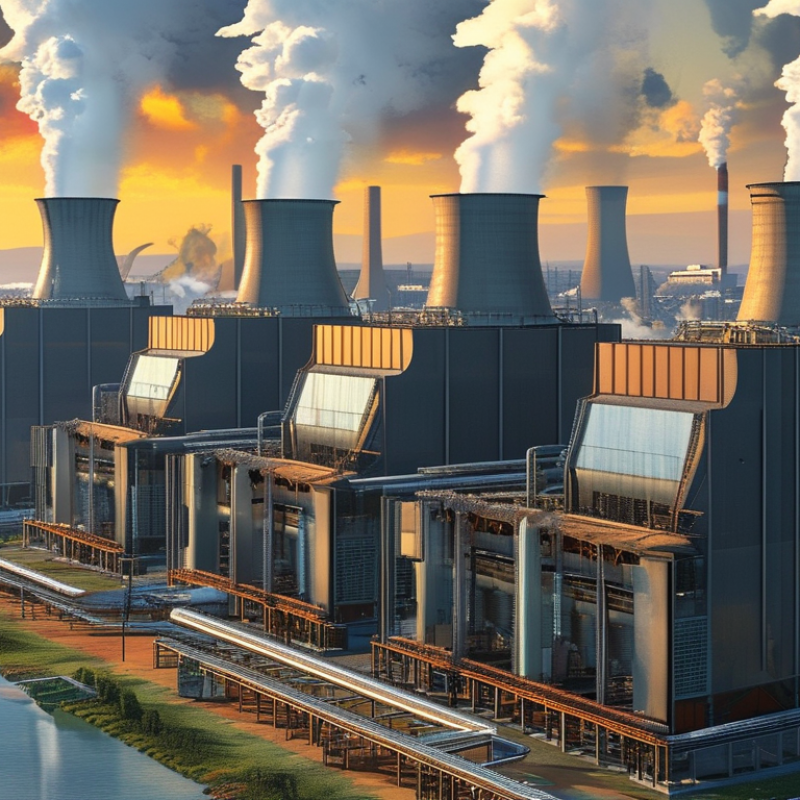
What is an Air Cooled Heat Exchanger? Definition and Overview
An air-cooled heat exchanger is a crucial component in various industrial processes. It uses air to cool or condense fluids without the need for a cooling tower. Instead, ambient air flows over finned tubes to dissipate heat. This method is efficient and sustainable, making it popular in sectors like oil and gas, chemical processing, and power generation.
According to a report by Markets and Markets, the air-cooled heat exchanger market is projected to reach USD 6.3 billion by 2025, growing at a CAGR of 5.2%. This growth reflects the increasing demand for energy efficiency. However, factors like environmental changes can impact performance. Heat exchangers may not perform optimally in extremely hot conditions, leading to reduced efficiency. Regular maintenance is vital to ensure effective operation.
Despite their advantages, air-cooled heat exchangers do face limitations. Factors like high ambient temperatures can decrease cooling capacity. This may result in increased operational costs. Engineers must continually assess these systems. Balancing efficiency with reliability remains a key challenge in modern industrial applications. Understanding these nuances is essential for optimizing their use.
What is an Air Cooled Heat Exchanger and How Does It Work?
| Dimension |
Description |
| Type |
Air Cooled |
| Medium |
Air |
| Applications |
Power Plants, Chemical Processing, HVAC Systems |
| Efficiency |
Varies with environmental conditions |
| Components |
Fins, Tubes, Fans |
| Maintenance |
Regular cleaning and inspection required |
| Advantages |
No water requirement, lower operational costs |
| Disadvantages |
Performance dependent on ambient air temperature |
Principles of Operation: How Air Cooled Heat Exchangers Function
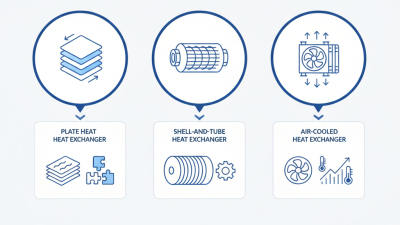
Air cooled heat exchangers (ACHE) play a vital role in industrial applications. They transfer heat from one medium to another using air for cooling. These systems are often used in power plants, chemical processing, and refrigeration. They operate on a straightforward principle: hot fluid passes through tubes, while air circulates outside these tubes, absorbing heat. This process relies heavily on ambient air conditions and requires careful design to maximize efficiency.
In terms of efficiency, ACHE performance is heavily influenced by factors such as air flow rates and ambient temperatures. Studies indicate that optimizing these parameters can lead to energy savings of up to 15% in large systems. However, reliance on ambient air means performance can be inconsistent, especially in hotter climates. In some cases, maintenance challenges arise due to dust and debris buildup, which can hinder airflow and reduce effectiveness.
Understanding the fundamental dynamics of ACHE is crucial. Designing these systems often requires a balance of heat load, environmental conditions, and material selection. Engineers need to consider various factors to ensure reliability. Continuous monitoring and periodic maintenance are essential to maintain optimal functioning. Systems that do not address these aspects may face operational inefficiencies.
Key Components and Their Roles in Air Cooled Heat Exchangers
Air cooled heat exchangers play a vital role in various industries by transferring heat from a hot fluid to the surrounding air. Understanding the key components can deepen our appreciation of their functionality. The primary components include the cooling fins, fan, and the heat exchange surface. Each part has a distinct role, contributing to the overall efficiency of the system.
Cooling fins increase the surface area available for heat transfer. They enhance the exchanger's performance by maximizing exposure to the airflow. Fans facilitate air circulation, ensuring that the fins stay cool while pushing hot air away. Heat exchange surfaces, typically made of metal, directly interact with the fluids. Their design can significantly impact thermal efficiency.
Despite the straightforward design, challenges persist. For example, dirt buildup can reduce efficiency. Regular maintenance is crucial to ensure optimal performance. Failure to inspect components may lead to unexpected downtimes. Overall, while air cooled heat exchangers are effective, they require attention and care to maintain their reliability and efficiency.
Industry Applications: Where Air Cooled Heat Exchangers Are Used
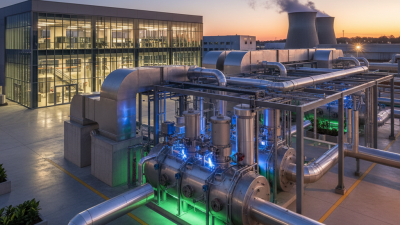
Air cooled heat exchangers (ACHEs) are commonly used in various industries due to their efficient cooling capabilities. These devices are particularly prominent in oil and gas, power generation, and chemical processing. Their ability to reject heat into the atmosphere makes them crucial for operations in remote locations where water supply is limited.
In oil and gas industries, ACHEs play a vital role in cooling gas streams and process fluids. They help prevent overheating of critical equipment, ensuring safe and efficient operations. Chemical plants also rely on these exchangers for temperature control, enhancing productivity and chemical reaction rates. Power plants benefit too, using air cooled systems in their cooling cycles to minimize water usage, especially in arid regions.
However, the reliance on ambient air for cooling can pose some challenges. Variability in weather conditions can affect performance. During extreme heat events, efficiency may drop, leading to operational concerns. Companies must regularly monitor and maintain these units to prevent issues that could arise from dust or debris accumulation. This highlights the importance of proper maintenance and timely inspections to ensure consistent performance in demanding industrial environments.
Air Cooled Heat Exchanger Applications
Performance Metrics: Efficiency and Maintenance Considerations for Air Coolers
Air cooled heat exchangers play a critical role in various industries. Their efficiency hinges on performance metrics that can determine overall operational success. According to a report by the International Energy Agency (IEA), heat exchangers can significantly affect energy consumption. Regular maintenance is essential to sustain this efficiency.
Maintenance considerations include routine inspections and cleaning. A study from the American Society of Mechanical Engineers (ASME) indicates that improper maintenance can lead to a 20% reduction in efficiency. Dust and debris can accumulate on the fins, causing decreased airflow and heat transfer. Regular check-ups can prevent such issues and enhance performance.
Tips: Always monitor the temperature differential across the exchanger. Maintaining optimal conditions can improve performance. Additionally, consider implementing predictive maintenance strategies, which can minimize unplanned outages. Understanding the relationship between maintenance and efficiency can lead to better operational decisions and reduced energy costs.